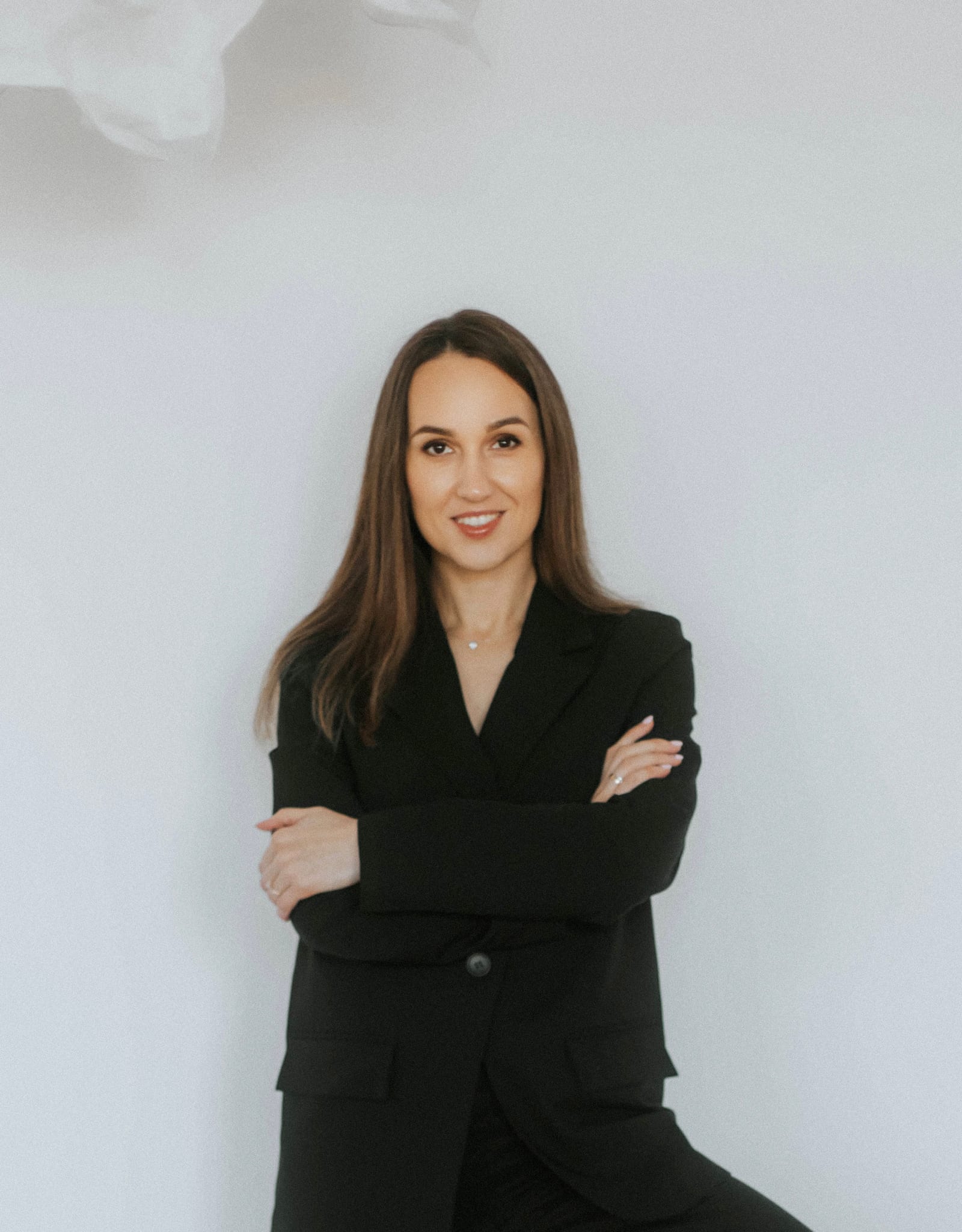
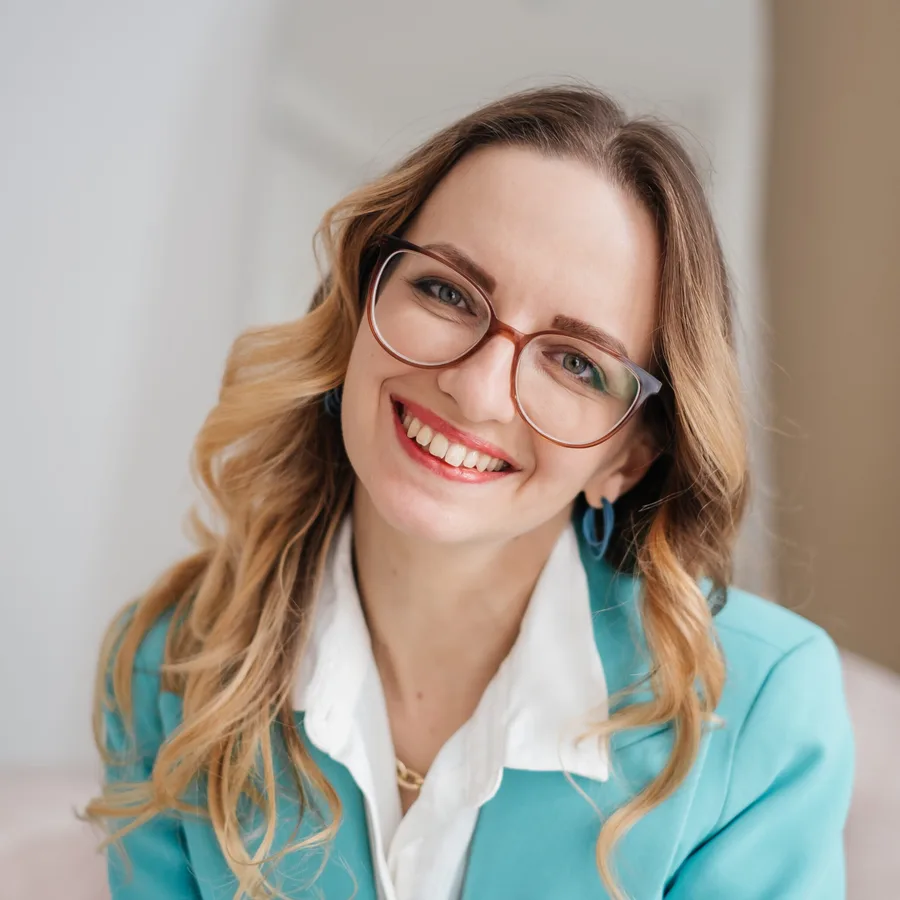
Kseniia Shokalo
Past editions
Every session we have run since V13 — who taught it and what it covered. These are the abstracts as delivered, not summaries written afterwards.
One email when tickets go live. Nothing else — no newsletter from this form.
We use your email only to tell you when the next edition opens.
Full session list as delivered at V16. Open a session to read its abstract.
Kseniia Shokalo
Natalia Liashko
We study languages for Communication and it’s always been one of the most important skills we should teach our students. But do we actually teach them how to communicate and how to handle the conversation effectively? During the workshop we’ll discover the techniques that help students become better communicators.

Yana Tymoshyk
Learn how to make grammar lessons more engaging and effective while reducing preparation time and boosting student motivation. In this session, you’ll gain ready-to-use techniques that help students understand faster, participate more actively and apply grammar confidently in real-life communication - all while making your lessons more enjoyable to teach.
Olha Ernst
In the session we are going to see how combining elements of the lexical approach and Dogme ELT together provides an opportunity to create flexibility in the classroom where students acquire language with the focus on learning chunks while having meaningful conversations and working with their emergent language needs.
We are going to discuss how exactly the principles of the LA and Dogme work together and analyze examples of activities from my own lessons. Then attendees would work in breakout rooms on either making lexical suggestions for Dogme lessons, or adding elements of Dogme to lexical coursebook materials.
Lonny Gold
Suggestopedic language classes can be thrilling experiences where learning becomes a compelling game of discovery. Dramatic presentations to music which wed emotions to content and modify brain activity! Lightening-fast changes in rhythm and intensity! Theatrical situations and fictitious new identities - all conspiring to show how suggestion, peripheral perception, and a specific form of invisible psychological management can make for peak experiences, where everything that happens becomes unforgettable. Created by Bulgarian doctor and psychiatrist, Dr. Georgi Lozanov, from the 1970’s on, UNESCO and various private corporations have assessed that this method speeds learning up threefold. AND it’s great fun.
Jamie Keddie
Whether we realise it or not, we are constantly immersed in stories. In fact, they say that stories are to humans as water is to fish. But what exactly is a story, and how do they work? In this talk, I will demonstrate some practical principles of storytelling that we can use to get students thinking creatively, collaborating, speaking and ultimately develop both their storytelling skills and a deeper understanding of how the world of stories works.
Full session list as delivered at V15. Open a session to read its abstract.

Hugh Dellar
In this practical, hands-on session, we explore different ways of thinking about giving feedback on student speaking and explore why some approaches may have better long-term impacts than others.
Rob Howard
Integrating AI and technology into the EFL classroom has brought some significant benefits, such as personalized learning, instant feedback, and, maybe, increased engagement. However, several challenges have emerged that educators must address to maximize effectiveness. As an introduction we will discuss some of the pitfalls discovered as a result.
Critical thinking (CT) has long been heralded as an essential skill for learners, yet despite decades of discourse on its importance, it has often failed to be addressed with the urgency and depth it deserves. In the age of AI, where information is abundant, but discernment is scarce, fostering critical thinkers has never been more crucial. We will explore how the Socratic Method—a timeless approach based on dialogue, questioning, and reflection—can be rebooted to meet the challenges of modern education.
By reintroducing the Socratic Method into EFL learning environments, we can encourage learners to engage deeply with content, question assumptions, and articulate their thoughts clearly and critically. In an age where AI technologies can provide answers but not reasoning, the need for learners to develop their own evaluative and reflective skills is paramount.
Rebooting the Socratic Method isn’t just about asking the right questions, it's about equipping learners to think independently and critically in an AI-driven world cultivating a generation of thoughtful, analytical individuals who don’t just accept information at face value, but instead question, probe, and interpret it.
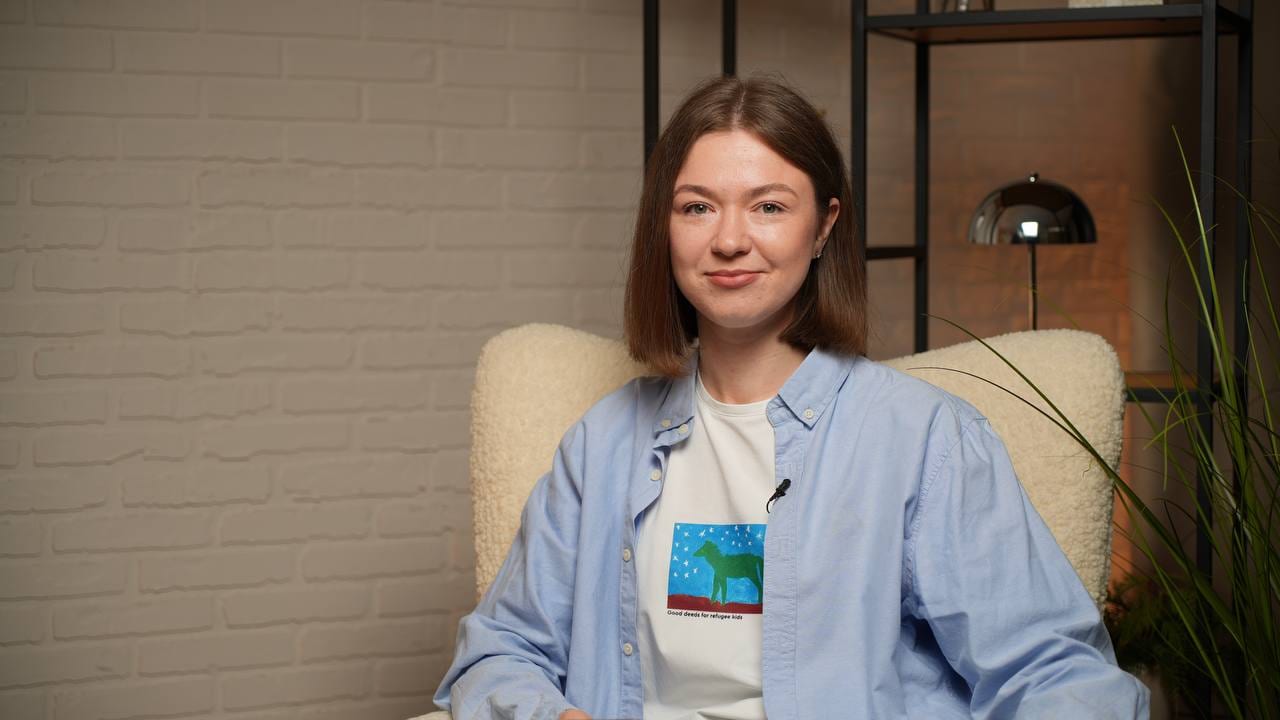
Kseniia Shokalo
Keith Kelly
Content and language integrated learning or CLIL is a method which develops both curriculum content knowledge and foreign language competence simultaneously.
This talk will outline the three core dimensions to CLIL, namely concepts, procedures and language. The presentation will also describe how a typical CLIL lesson moves from 'guiding learners through input content' in textual and multi-media forms to 'supporting learners in producing content' in spoken and written form.
The talk will present the above principles through a range of classroom tested resources and activities which the audience is invited to take away and try in their own teaching contexts.
Lesia Khelil
What if the key to long-term language learning success isn’t grammar or vocabulary (or not just grammar and vocabulary) but a powerful first coaching session? In this session, we’ll dive into the structure and purpose of goal-setting sessions in Transformational Language Coaching©. You’ll discover how to guide learners toward meaningful, motivating goals using coaching-style questions and practical frameworks. We’ll explore goal-setting session outline, and the “why” behind every step—so you can start your own learner journeys with clarity and purpose. We’ll wrap up with a Q&A where you can bring your questions and reflections.
Want the next one in your inbox? One email when tickets open — nothing else
Join the waitlistFull session list as delivered at V14. Open a session to read its abstract.

Hugh Dellar
60хвилин
This practical workshop looks at practical ways of revising vocabulary that could be used on any course. The main ways I will look at are:

Hugh Dellar
60 хвилин
Adopting a lexical approach to language means always thinking not just about what things man, but also about how we use them – and it means seeing vocabulary exercises in coursebooks as a chance to find out where students are at and to help them get more experience of how the language being looked at works in practice. Using material from ENGLISH FILE, we'll be looking at some practical ways of going beyond what the book offers you and enhancing your students' experience of class.
Jon Hird
This practical session follows on from last year’s session What’s it mean it’s different, spoken grammar? and looks at some further aspects of spoken grammar. As a starting point, we will listen to and analyse an authentic dialogue and then consider some of its spoken grammar features in more detail and explore how we can incorporate these into our teaching.
Georgia K. Papamichailidou
Reading lessons often feel routine, but they don’t have to be! In this session, we’ll explore how to make reading tasks more dynamic, engaging, and adaptable to any text or proficiency level.
Discover a range of versatile task frameworks—like skimming, scanning, prediction, and personalization—that can be tailored to suit diverse classroom needs. Learn how to create tasks that challenge learners while making the most of authentic or coursebook texts.
By combining theory and practical examples, this session will empower participants to rethink their approach to reading lessons, ensuring they remain fresh, student-centred, and effective. Walk away with strategies that can transform any reading text into a powerful learning experience!
Rachel Paling
Grammar - most learners hate it! Brain friendly grammar distils neuroscience and professional coaching into a simple spoken conversation, harnessing the ideal conditions for absorbing the mechanics of language. In this way, grammar is discussed and explored with the learner in a calm brain friendly conversation. By using the PACT PQC coaching model,language educators will totally transform grammar. This workshop will focus on how to shift grammar conversations by using a coaching model and integrating principles from neuroscience and neuropsychology. The main focus is how to get learners to be curious and to scaffold from previous knowledge as well as bringing then to understand the reasons for grammar and be able to use and apply it instantly.
Anna Plaksiienko
How to improve students’ listening outcomes? This session explores ways to enhance students' listening skills. It delves into techniques that go beyond mere word recognition, fostering deeper comprehension and critical thinking. Attendees will learn how to engage students through active listening exercises, authentic materials, and technology integration. Empower your learners to decode context, tone, and intent, transforming listening into a dynamic and interactive process.

Eugenia Kovtun
Strategic use of coursebooks, if approached creatively, can greatly streamline the preparation process for teachers and make lessons more beneficial for students. We know that all the activities on a standard page can be done in under 20 minutes … but would that be effective? What if there’s a way to create 60- and 80-minute lessons using a single page of a course book? In my presentation, I'll discuss how to minimize reliance on additional resources by fully exploiting what the course book offers. I will touch upon Lexical Approach activities, which greatly enhance the effectiveness of the lesson, and suggest a wide variety of low-preparation activities to be added to the standard ones in a coursebook.
Full session list as delivered at V13. Open a session to read its abstract.
Maria-Araxi Sachpazian
Learning is an act of curiosity and starts with curiosity, it is accentuated through observation and
finally through exposure to information humans are lead to actual acquisition. There are, of course,
limitations. For example, how the information is organised makes a difference. Second, we are
social beings, so our learning is social too. We love constructing knowledge with others and we
thrive on feedback. In general, others play a part in our learning. Still, learning is personal,
arduous and determined by motivation and personal engagement. Contrary to that, teachers these
days are faced with lack of (intrinsic) motivation, limited and fluctuating student engagement and
lack of student response all of which contribute to block learning. This session aims to identify
learning blockers and to suggest simple steps teachers can take to facilitate student learning.
Rob Howard
Competency in intercultural communication amongst international companies, groups and organizations has been challenging as more and more diverse teams form. This talk will look at some of the basic misunderstandings that have taken place within different groups of trained, expert educators, native and non-native alike, due to our own varying cultural backgrounds and offer up better methods to avoid potentially serious errors or miscommunications through examination of our own cultural voicing.
Rachel Paling
This talk will unravel the essence of coaching in education, providing a comprehensive exploration of coaching and its potentially multifaceted role in the educational landscape. From personalized teacher development to fostering student resilience, to transforming how we teach and teacher communication patterns, we will look at educational coaching, instructional coaching and the latest trend integrating coaching within teaching environments. In itself, professional coaching can cultivate a positive learning culture, enhance pedagogical approaches, improve teacher-student relationships as well as provide teachers with the necessary tools to address challenges, promote resilience, and ultimately shape a more dynamic and inclusive educational landscape.

Dariia Oliinyk
Are you an English teacher who wants to enhance your skills in teaching English to groups of learners? Then this session is for you. Whether you're instructing beginners or advanced students, group teaching presents both distinct challenges and valuable opportunities. In this session, you will gain practical strategies, techniques and tools to effectively manage group dynamics, promote collaborative learning, and ensure that every student is engaged and progressing.
Kseniia Shokalo
There are numerous tools in ELT classrooms that are notoriously underestimated and have disappeared without any particular reason. In this practical workshop, we are going to give a second life to dictations by looking at them from a different perspective and testing the waters ourselves.
You'll learn 6+ practical activities that you can use in your class the very next day to enhance the efficiency of your lessons immediately.
Marjorie Rosenberg
As our daily teaching schedule and all that involves takes up so much of our time and energy, we don’t often have the chance to thing about ‘what else’ we could be doing. We tend to stick to certain routines and sometimes don’t take advantage of possibilities to stretch ourselves or take on challenges in other areas. This talk will explore the implications of this regarding our teaching styles, methods we are accustomed to using, the types of classes we usually teach, the technology we are comfortable with and a variety of choices available to us as ELT professionals outside the classroom. Some of the reasons we keep doing what we have always done will be discussed providing a basis for us to work together and come up with ways for us to ‘get unstuck’.
Speakers
Qualifications as they gave them. Chips show which editions they spoke at.
TESOL, TKT M1,2,3 (Kyiv), CELTA (Kyiv) Lexical Lab (London), DELTA Module 2
V16V15V13
MA in English Studies, CELTA, DELTA, IH-CYLT, TKT, CAE
V16

MA in English and Japanese Philology Completed a course in Neurobiology of Psycholinguistics and Neurolinguistics at the University of Brighton, UK
V16
CELTA, Delta, Train the Trainer, Dogme ELT with Scott Thornbury
V16
Completed a course in Neurobiology of Psycholinguistics and Neurolinguistics at the University of Brighton, UK
V16
Designs teaching strategies grounded in the principles of neurobiology, ensuring lessons align with how the brain learns best
V16

Bachelor in English Literature, Masters in TESOL, CELTA, DELTA (Double Distinction)
V15V14
BA in Business Management
V15V13
Bachelor’s degree in Modern Languages PGCE in French and German from the University of Bristol Master’s degree in English Language Education from the University of Manchester
V15
CELTS (Pass A) DELTA (M2, Pass with Merit) FTBE (First Certificate for Teachers Of Business English) from London Chamber of Commerce and Industry (LCСI) ACSTH by International Coaching Federation PhD (Philology)
V15
PGCE, MA TESOL, DELTA
V14
MA in Teaching English as a Second/Foreign Language from the University of Birmingham, UK
V14
BA Hons Law/Spanish distinction in spoken Spanish, MA Human Rights, MA Applied Neuroscience, MA Neuroeducation and Neuropsychology
V14V13
MA in the Theory and Methodology of TESOL, CELTA, TKT (Module1,2,3 Band 4), CAE (A)
V14

CELTA, DELTA (Modules 1,2,3), CAE (C2)
V14
BA in Education from the Aristotle University of Thessaloniki, a CEELT II and the Royal Society of Arts Diploma for Oversees Teachers of English (3 distinctions) from the University of Cambridge
V13

C2 Proficiency (Kyiv), C1 Advanced (Kyiv), DELTA M1 (Warsaw), CELTA (Kyiv), TKT Module 1,2 (Kyiv), Masters in English Language and Foreign Literature (Zhytomyr)
V13
BA Cum Laude, State University of New York at Buffalo, Music Performance, Diploma in Adult Education
V13
I absolutely loved the conference. The discussed topics were very interesting and useful, I really appreciate that.
Sigita Magyar-ŽilinskaitėI really enjoyed this conference. Also, this was my first time, but frankly speaking, it was such a pleasure! Bravo❤️
Olha VnukV17 runs October 17–18 | 2026 Eight live webinars, recordings for two months
See ticketsV17 is next — 17–18 October 2026 Or get one email when the following edition opens
Join the waitlist